
The Quran, also spelled as Qur’an or Koran, is the central religious text of Islam. It is considered by Muslims to be a revelation from God (Allah) to the Prophet Muhammad through the angel Gabriel over a period of approximately 23 years. The Quran is written in classical Arabic and is divided into 114 chapters, called surahs, which vary in length.
The Quran is regarded as the literal word of God and is considered the ultimate authority in Islam. It covers various aspects of life, including theology, morality, guidance for personal conduct, legal principles, social issues, and more. Muslims believe that the Quran provides guidance for all aspects of life and contains the complete and final message of God.
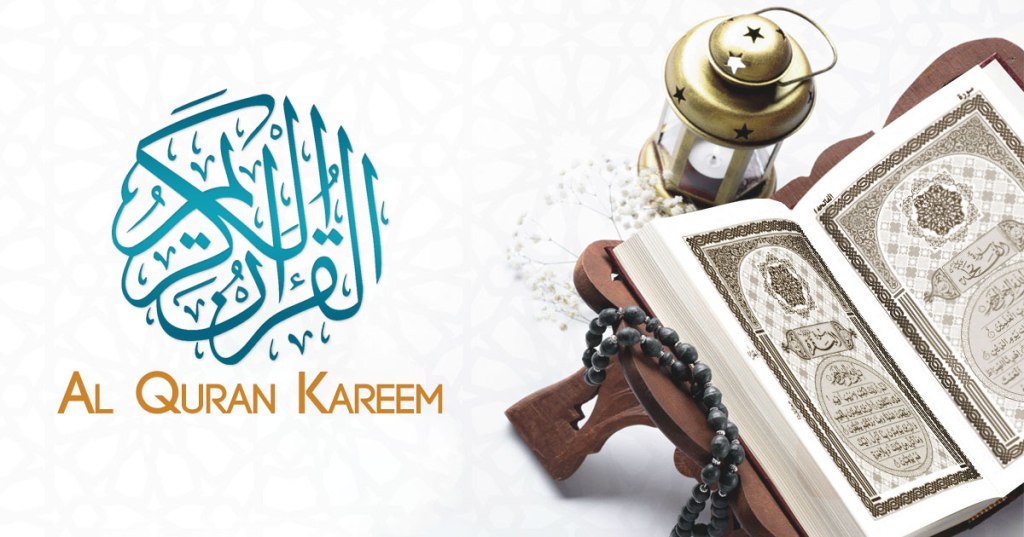
The Quran is revered by Muslims worldwide and is recited, memorized, studied, and contemplated upon. It is considered the source of spiritual and moral guidance for Muslims, and its teachings form the foundation of Islamic faith and practice. The Quran is widely available in printed form, and it is also recited in daily prayers, religious gatherings, and special occasions.
Translations of the Quran exist in many languages to make it accessible to people around the world. However, it is important to note that the original Arabic text is considered the most authentic and authoritative version. Interpretation of the Quranic verses and understanding their application in different contexts is often done by scholars and jurists, taking into account the historical and cultural context, as well as other sources of Islamic law and tradition.
It is worth mentioning that as an AI language model, I can provide general information about the Quran. For specific interpretations, detailed analysis, or specific religious rulings, it is advisable to consult scholars or experts in Islamic studies.
 Al Quran